Engine Bay Detailing: Why It Matters and How Professionals Do It
Engine Bay Detailing: Why It Matters and How Professionals Do It
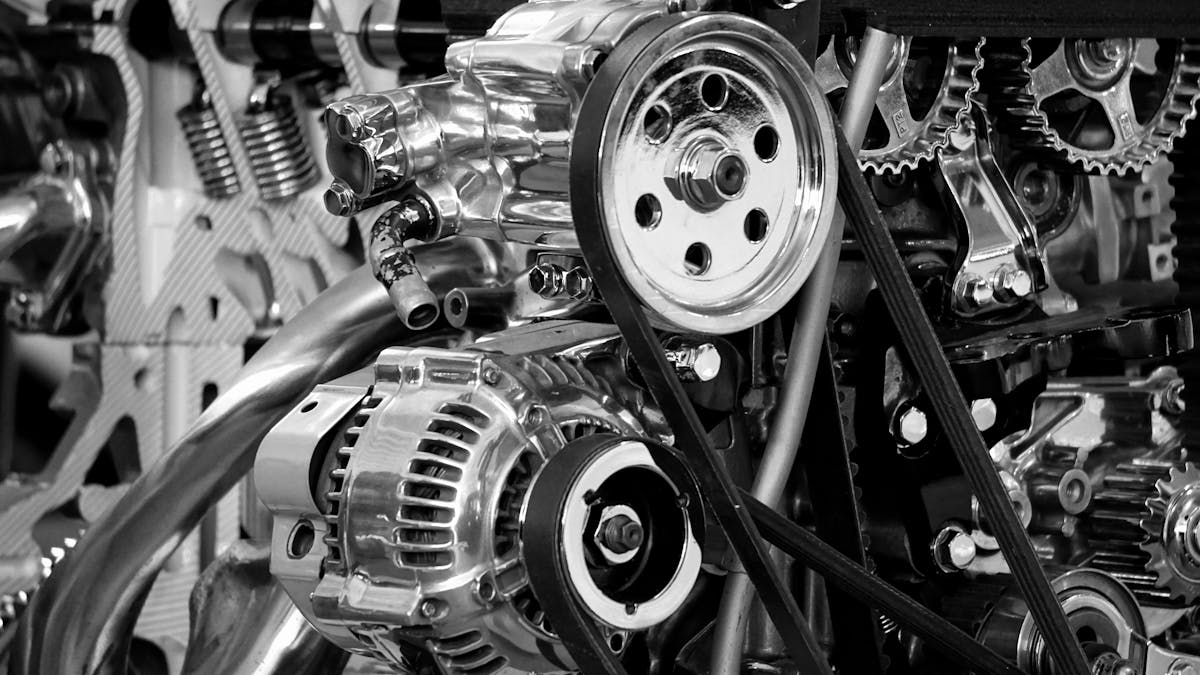
Most car owners put considerable thought into keeping the exterior paint gleaming and the interior spotless. Yet the engine bay — one of the most important areas of the vehicle — is often completely overlooked. A dirty, grease-caked engine bay isn't just an eyesore when you lift the hood. It can mask developing issues, contribute to component degradation, and even affect how your vehicle performs over time. This guide explains why engine bay detailing deserves a place in your regular maintenance routine and what the professional process actually looks like.
Why Engine Bay Detailing Matters
Easier Leak Detection
One of the most practical reasons to keep your engine bay clean is that it makes leak detection dramatically easier. When everything under the hood is coated in a layer of accumulated grease, oil film, and road grime, it's nearly impossible to spot a fresh fluid leak in its early stages. A clean engine bay lets you immediately identify any new drips or seeps from hoses, gaskets, or seals before a minor issue becomes an expensive repair.
Heat Dissipation
Engines generate significant heat during operation, and that heat needs to escape efficiently. Thick layers of grime and grease act as insulation on engine components, trapping heat and potentially contributing to overheating in extreme conditions. A clean engine bay allows heat to dissipate naturally and keeps operating temperatures in the optimal range.
Resale Value
When a potential buyer or dealer opens the hood of your vehicle, what they see tells a story about how well the car has been maintained. A clean, well-presented engine bay signals that the owner cared about the vehicle's overall condition — not just the visible surfaces. Combined with a well-maintained exterior (ideally protected with ceramic coating or quality paint sealant), a detailed engine bay can meaningfully increase your vehicle's perceived value and support a stronger selling price.
Component Longevity
Rubber hoses, plastic covers, and electrical connectors all benefit from regular cleaning and conditioning. Grease and road grime contain acids and contaminants that slowly degrade rubber and plastic over time. Removing these deposits and applying protective dressings extends the life of ancillary components and helps prevent cracking, brittleness, and premature failure.
What Gets Cleaned During Professional Engine Bay Detailing
A thorough professional engine bay detail isn't a simple rinse with a hose. It's a systematic, careful process designed to deep clean without causing damage to sensitive electronics or components.
Pre-Cleaning Assessment
Before anything else, the detailer assesses the condition of the engine bay. They look for exposed electrical connections, cracked or brittle hoses, and any components that should be covered or avoided during cleaning. The engine may be run briefly to warm it up and loosen surface grime — though this needs to be balanced carefully, as very hot components can cause cleaning products to evaporate too quickly or create steam hazards.
Protecting Sensitive Areas
Critical electrical components — the battery terminals, fuse boxes, exposed connectors, and the alternator — are carefully covered or avoided. Even though engine bays are designed to handle moisture from rain and road spray, a direct high-pressure stream on electrical connections can cause problems.
Degreasing
A professional-grade degreaser is applied throughout the engine bay and allowed to dwell for several minutes, breaking down grease, oil deposits, and grime. The product is worked into tight spaces and around components with detailing brushes of various sizes. This is the most labour-intensive part of the process and the step that separates a professional detail from a basic rinse.
Controlled Rinsing
The engine bay is rinsed carefully using a low-pressure water stream rather than a pressure washer. The goal is to flush away loosened grime and degreaser residue without driving water into sensitive connections. Excess water is blown out of crevices using compressed air or a forced-air blower.
Drying
Thorough drying is essential. Compressed air clears standing water from recesses, around bolts, and under components. Microfiber towels are used to dry accessible surfaces. The engine may be run briefly to help evaporate any remaining moisture.
Dressing and Protection
Once clean and dry, all rubber hoses, plastic covers, and trim pieces receive a professional-grade dressing. This restores the matte or satin appearance these components had when new, prevents UV cracking, and creates a surface that resists future grime adhesion. The result is a crisp, well-presented engine bay that looks as though it belongs to a vehicle that has always been impeccably maintained.
How Often Should You Have the Engine Bay Detailed?
For most vehicles, a professional engine bay detail once or twice a year is appropriate. Vehicles that are driven in dusty conditions, on unpaved roads, or that have any known oil seepage may benefit from more frequent cleaning — every six months.
If you're planning to sell your vehicle, an engine bay detail is one of the highest-return investments you can make alongside a full interior detail and a proper exterior detail with paint correction if needed. The combined effect of a clean engine bay, a polished exterior, and a fresh interior creates a compelling first impression that justifies a premium asking price.
DIY vs. Professional Engine Bay Cleaning
It's possible to clean your own engine bay, but there are real risks for those unfamiliar with the process. Using too much water pressure, soaking electrical connections, or using the wrong degreaser can cause electrical faults, damaged sensors, or even engine starting issues.
Professional detailers understand which areas to avoid, which degreasers are safe for plastic and rubber, and how to rinse without creating problems. If you're uncertain, professional service is the safer and more reliable option. The cost is modest — typically $50 to $125 — and the results speak for themselves.
Conclusion
An engine bay detail is one of the most overlooked but genuinely useful services a detailer offers. It protects components, aids in maintenance, supports resale value, and completes the picture of a vehicle that has been properly cared for from every angle.
Whether you're preparing your vehicle for sale, maintaining it for the long term, or simply want peace of mind the next time a mechanic works under your hood, professional engine bay detailing is worth every penny. Contact Perry's Precision Detailing to add engine bay cleaning to your next service appointment.