
Headlight Restoration: Why Cloudy Headlights Are Dangerous and How to Fix Them
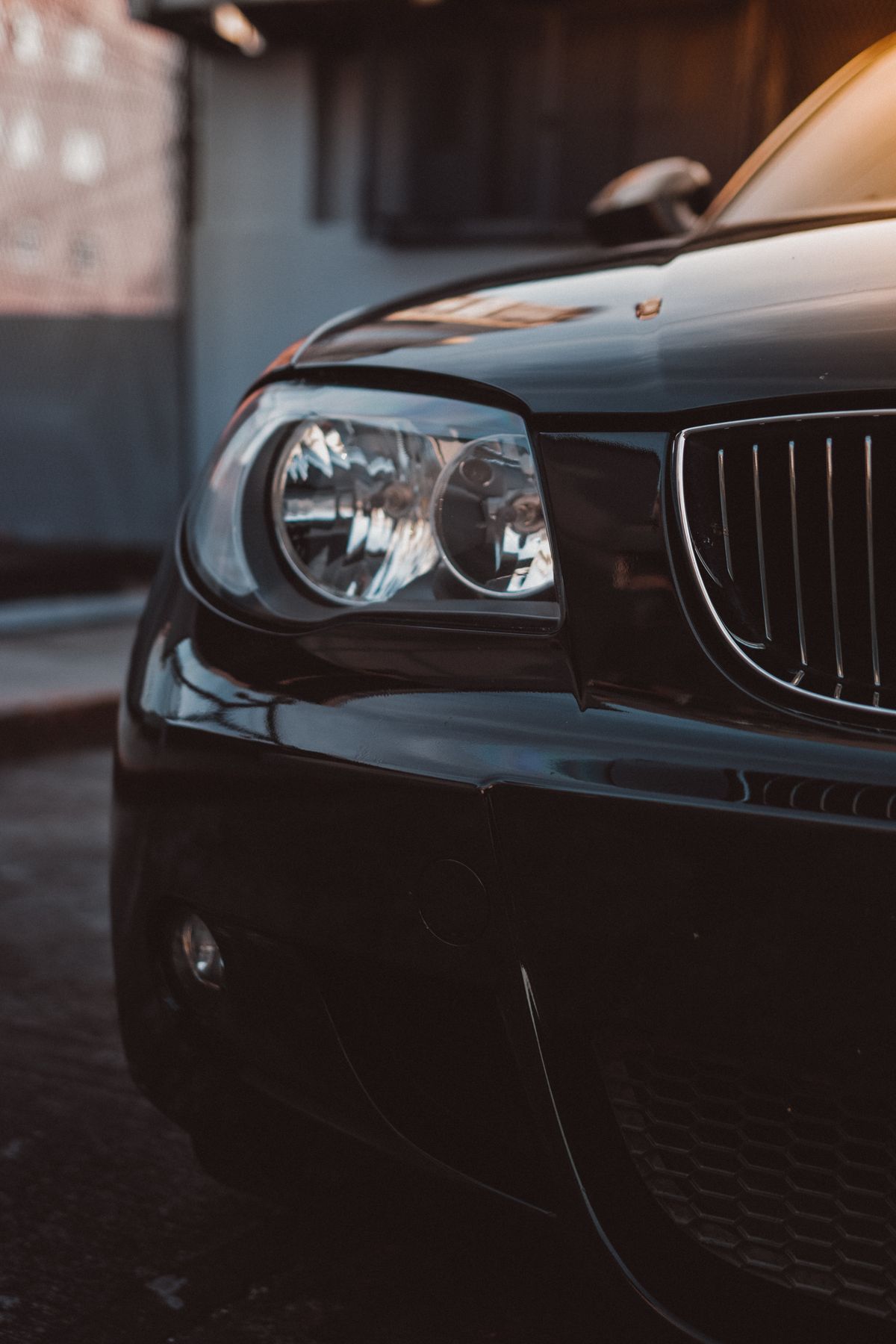
Headlight Restoration: Why Cloudy Headlights Are Dangerous and How to Fix Them
Cloudy, yellowed headlights are one of the most common cosmetic issues on vehicles more than five years old. They make even a well-maintained car look tired and worn, but the problem goes well beyond aesthetics. Oxidised headlight lenses significantly reduce the amount of light reaching the road, creating a genuine safety issue that many drivers simply don't realise they're living with. This guide covers why headlights degrade, how serious the impact really is, and what professional restoration can do about it.
Why Headlights Turn Yellow and Hazy
Modern vehicle headlights use polycarbonate plastic lenses rather than the glass lenses found on older vehicles. Polycarbonate is lightweight, impact-resistant, and inexpensive to manufacture — but it's highly susceptible to UV degradation.
From the factory, polycarbonate headlight lenses are coated with a thin UV-protective lacquer. This coating is what keeps the lenses clear during the first few years of a vehicle's life. Over time, UV radiation from sunlight breaks down this protective layer, and without it, the polycarbonate itself begins to oxidise. The surface becomes rough and pitted at a microscopic level, and the lens takes on the familiar dull yellow or milky-white appearance.
Road debris also plays a role. Thousands of kilometres of highway driving exposes the front-facing lenses to sand, grit, and small stones that abrade the surface, accelerating the degradation of whatever protective coating remains. The combination of UV damage and physical abrasion is why headlights on the same vehicle can degrade at different rates depending on their position and exposure angle.
The Real Safety Impact
Here's the figure that surprises most people: severely oxidised headlights can reduce effective light output by up to 80 percent compared to clear lenses. The bulb or LED array inside may be functioning perfectly, but if the lens is scattering and absorbing light rather than projecting it, the result on the road is dramatically reduced visibility.
In practical terms, this means stopping distances in the dark are effectively extended, obstacles at the edges of the beam are harder to see, and oncoming drivers may have more difficulty judging your position. It's a safety deficit that accumulates gradually, which is precisely why so many drivers fail to notice how bad it has become.
Beyond night driving, impaired headlights affect automatic headlight systems that use ambient light sensors, and in some jurisdictions, failed MOT or safety inspections specifically cite oxidised headlights as a compliance issue.
When to Choose Restoration vs. Replacement
Headlight lenses range in cost from under $50 to over $500 each depending on the vehicle, and replacement often involves removing bumper trim and electrical connections. Professional restoration typically costs $75 to $150 for both lenses and takes under an hour. For the majority of vehicles where the degradation is surface-level, restoration produces results that match or exceed the clarity of new lenses — at a fraction of the cost.
Replacement makes more sense when the lens has deep internal crazing, cracks that have penetrated the full thickness of the plastic, or moisture ingress that has fogged the interior of the housing. A professional can assess this quickly and give you an honest recommendation.
What Professional Headlight Restoration Involves
The difference between a proper professional restoration and the results of a basic retail kit comes down to the depth of the process and the durability of the finish.
Wet Sanding
Professional restoration begins with wet sanding using multiple grits of sandpaper, progressing from coarser grits that remove the oxidised material to progressively finer grits that smooth the surface in preparation for polishing. This systematic material removal is what distinguishes a real restoration from a surface-level polish that temporarily improves appearance but leaves most of the oxidation in place.
The surrounding paintwork is masked carefully before any sanding begins to prevent accidental abrasion to the paint finish.
Machine Polishing
After sanding, the lens is machine polished through multiple stages to restore optical clarity. This is the same principle as paint correction on a vehicle's body panels — abrasive compounds remove the scratches left by sanding, and progressively finer polishes restore a smooth, clear surface. The result at this stage is a lens that transmits light clearly and looks close to factory-new.
UV Coating Application
This is the step that separates a professional restoration from a DIY job: the application of a fresh UV-protective coating to the restored lens surface. Without this step, the polycarbonate is left unprotected and will begin oxidising again within months, regardless of how well the sanding and polishing were performed.
Professional UV coatings — whether spray-applied lacquers or dedicated headlight ceramic coatings — bond to the polished lens surface and provide multi-year protection from renewed UV degradation. A properly coated restoration can last two to five years before any retreatment is needed.
Headlight Restoration as Part of a Broader Detail
Headlight restoration is frequently combined with other detailing services, particularly when preparing a vehicle for sale. Clear, bright headlights contribute significantly to the overall appearance of the front end and work well alongside a properly polished and protected exterior finish.
If you're considering a pre-sale detail, headlight restoration is one of the highest-impact additions you can make. Photographs of a vehicle with clear headlights look more contemporary and well-maintained, and the safety improvement is an easy selling point for potential buyers.
For vehicles that will continue in long-term ownership, headlight restoration paired with ceramic coating on the lens surface offers the longest protection interval and the best value over time. Some detailers offer this as part of a comprehensive exterior package.
Maintaining Restored Headlights
Once restored and coated, headlights benefit from the same basic care as the rest of the vehicle's exterior:
- Wash regularly using pH-neutral car wash soap rather than harsh cleaners
- Apply a UV-protective detail spray when waxing or sealing the rest of the vehicle
- Park in a garage or shaded area when possible to minimise ongoing UV exposure
- Have the coating refreshed by a professional if water beading begins to diminish
Conclusion
Headlight restoration is a small investment that pays dividends in safety, appearance, and vehicle value. If your headlights have turned yellow or hazy, the problem is only going to worsen with time — and the cost of restoration remains far lower than replacement while producing comparable or superior results.
Contact Perry's Precision Detailing to assess the condition of your headlights and discuss restoration options. We can incorporate headlight restoration into your next full detail or handle it as a standalone service.